Academic Work
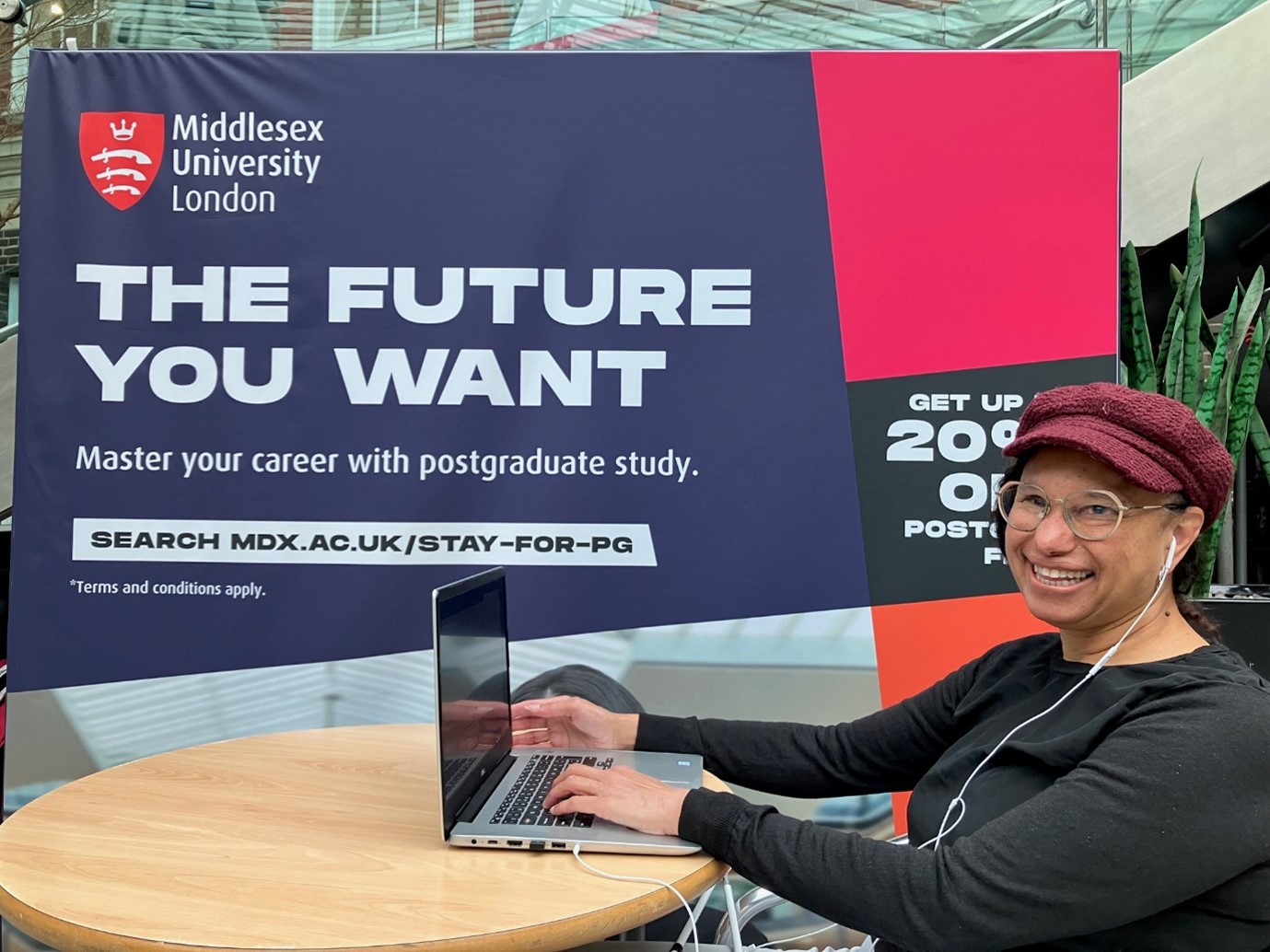
Dr. Oshodi received her award:
Doctor of Philosophy by Public Works
In June 2026 – The title of her thesis is:
‘Now you don’t see us, now you do’,
Or PresenceIng the Invisibled: The Transformational Practice of Extant
(Available on request via the Middlesex University repository)
Presentations and Conferences:
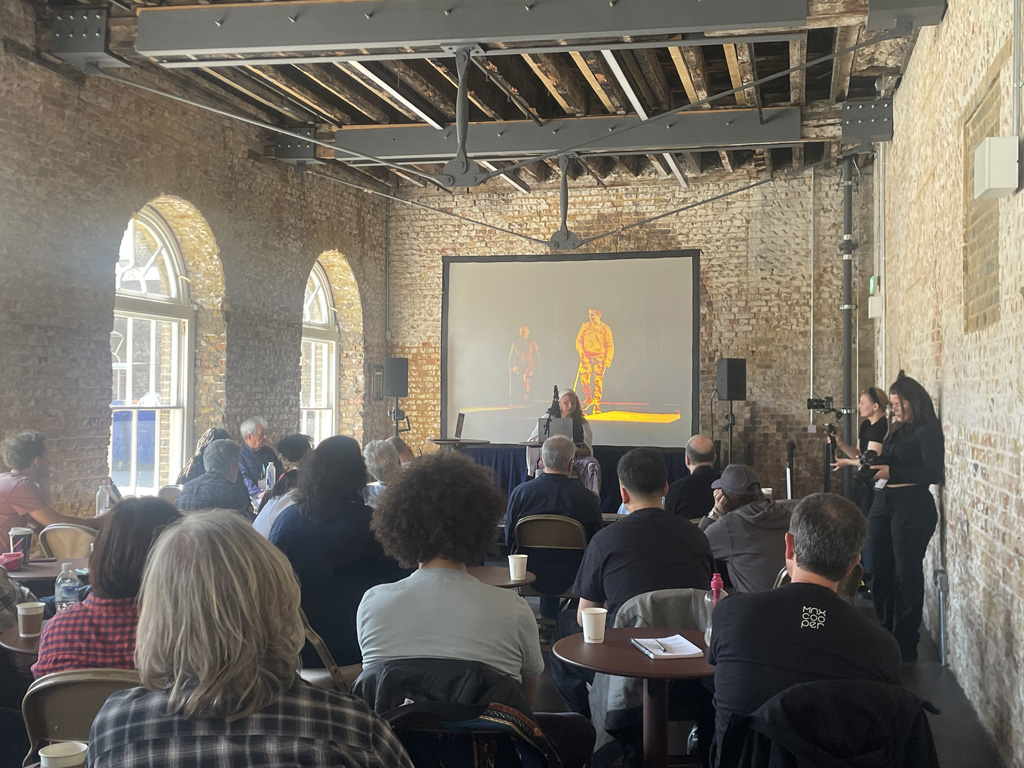
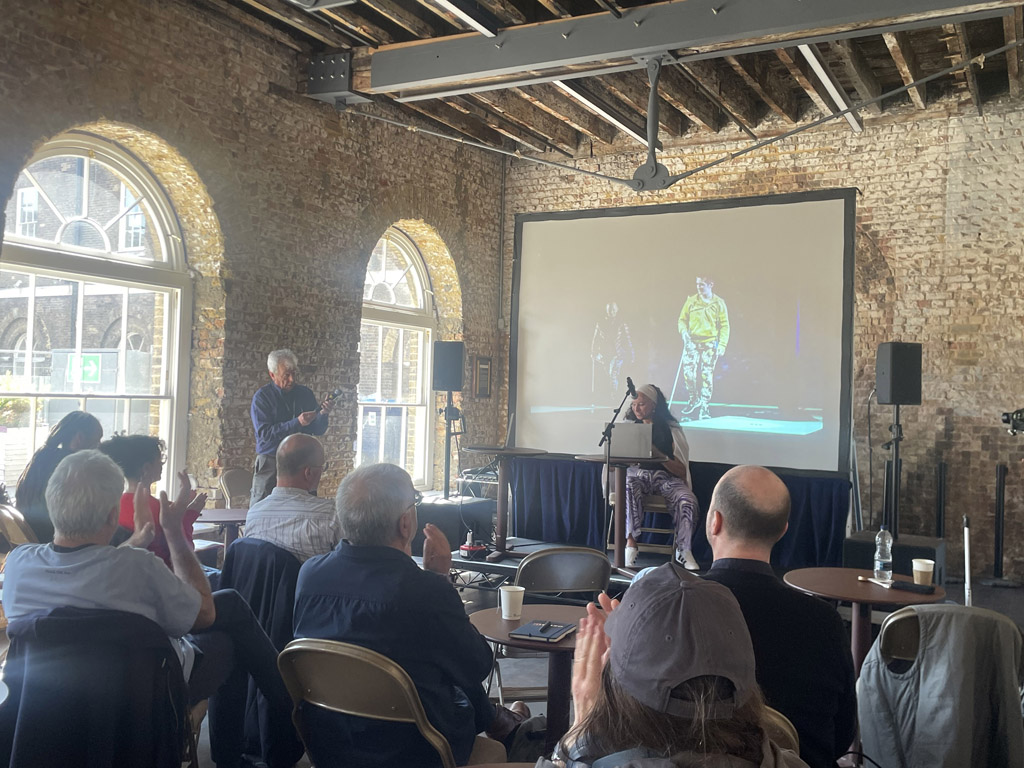
September 2026 – TAPRA Conference– Queen Mary University of London. Performance, Identity & Community Working Group Session 3: Thursday, 3rd September, 10:00-12:00, panel title: Access and adjacency
Performing “blindness” in the academy: Interdependence, direct experience, and know how.
In this presentation, Dr. Grace Joseph (a researcher at the University of Sheffield) and Dr. Maria Oshodi (artistic director and CEO of Extant, the UK’s leading visually impaired theatre company) share their sociological performance project, Know How, through video, sound, and relational analysis. Funded by Wellcome Anti-Ableist Research Culture, the project convened a roundtable discussion between 12 blind and visually impaired academics and artists about how their work is done – the barriers and the workarounds – in academia and beyond. In the next stage, we developed our findings in a devising process with a team of visually impaired actors. Both process and performance activate issues of care: interdependencies are apparent in research and rehearsal; and we negotiate these alongside access aesthetics in performance..
Akemi Nishida (2022) points out the instability of our caring concepts: ‘needs and care, when they are written about within the academic rules of logic and rationales, may sound logical and rational’; and ‘interdependency has come to be imagined as a clean-cut reciprocal relationship’. In researching Know How, we have (re)discovered the desirability of both independence and interdependence in the context of disability and access – and argue, in fact, that these ways of being, researching, and practicing, are not so neatly opposed. Our roundtable contributors described the value of their one-on-one and unassisted engagement with both people and research materials, encountering both without the mediation of access, while at the same time emphasising the collaborative relationships and research made possible by and peer-to-peer support. We therefore take up the DeafBlind poet and essayist John Lee Clark’s advocacy for ‘direct experience’ (2021), understanding this within a range between ‘complementary’ and ‘dead end’ access. We express the unhelpfulness of access work when it introduces bias and distance – when it intervenes both on the page and interpersonally – while thinking together about how to make direct contact possible in performance and research.
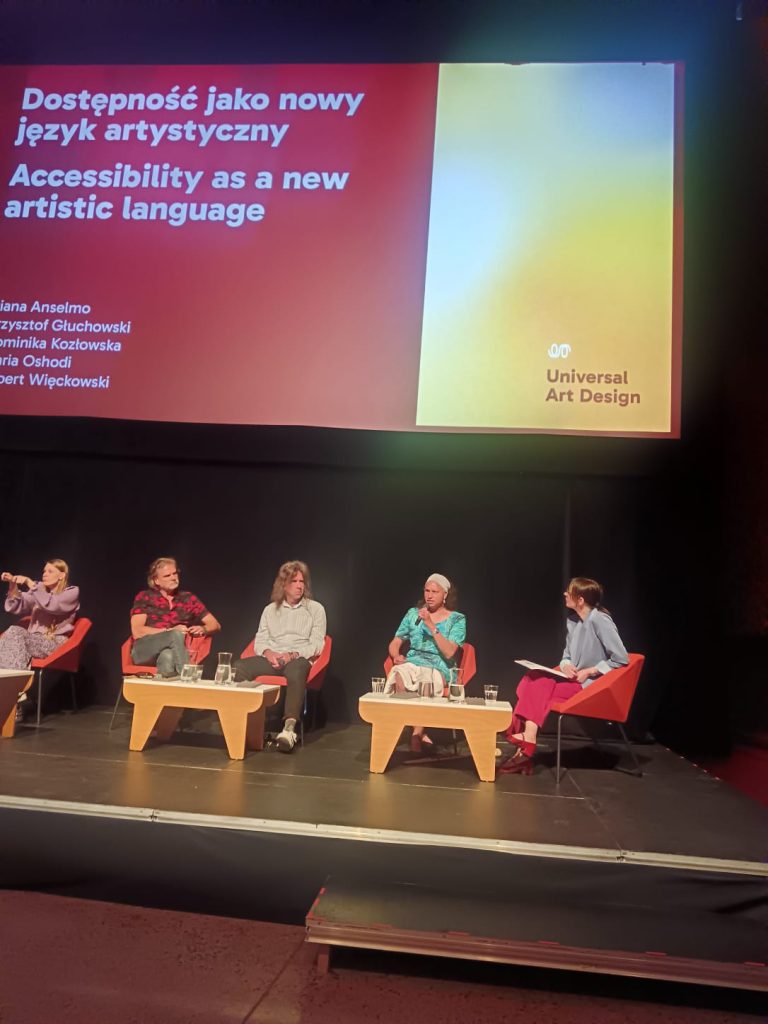
June 2026 – Universal Design in Performing Arts: Torun, Poland
The regional cultural centre in Torun, Poland invited me to contribute to their international conference, Universal Design in Performing Arts in early June 2026. This marked the culmination of their Universal Art Design (UAD) project that had worked with 36 artists from Poland, Italy, and Serbia and was funded by the European Union’s Creative Europe programme. Further details can be found at my blog here:
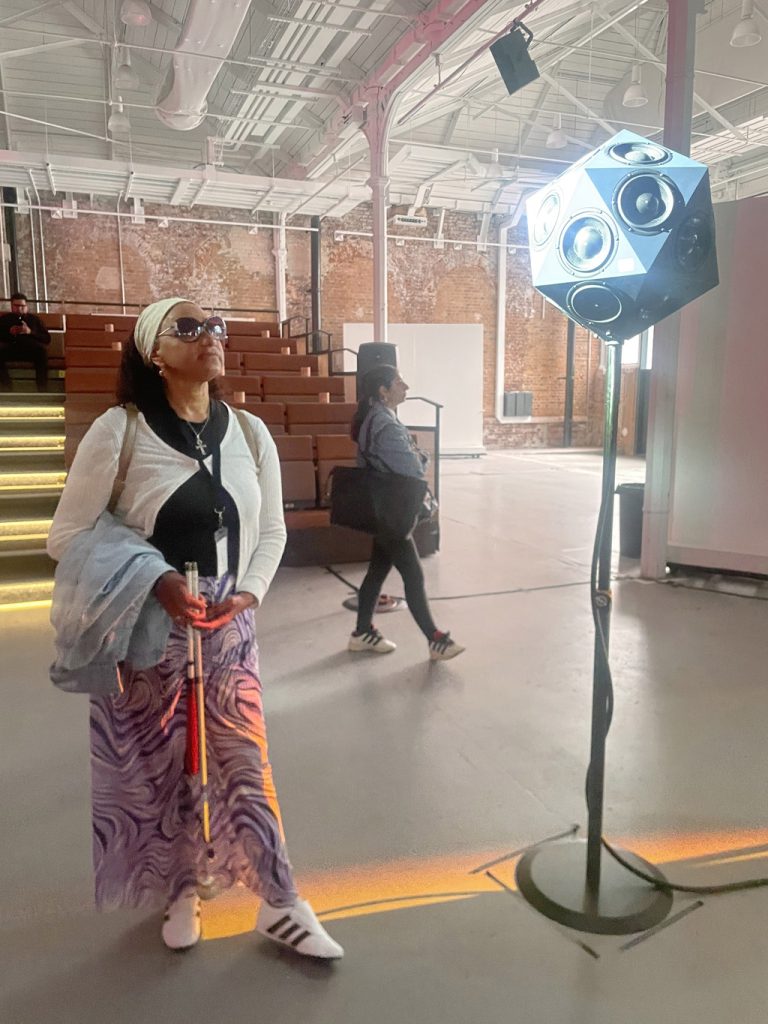
May 2026 – Sonic Spheres: Greenwich University
Maria presented a paper from her PhD research entitled
‘Cripping Circus Through Spatialised Access’, the ideas in which explored the symposium themes of ‘development of new performance practices for immersive audio’ and ’Embodied and perceptual experiences of immersive sound’.
April 2026 – Welcome Anti-Ableist Collaborative Projects Online Festival
Dr Grace Joseph and Dr Maria Oshodi presented the outcome of our Open Scholar presentation ‘Know How’ at the online festival, hosted by Sheffield University.
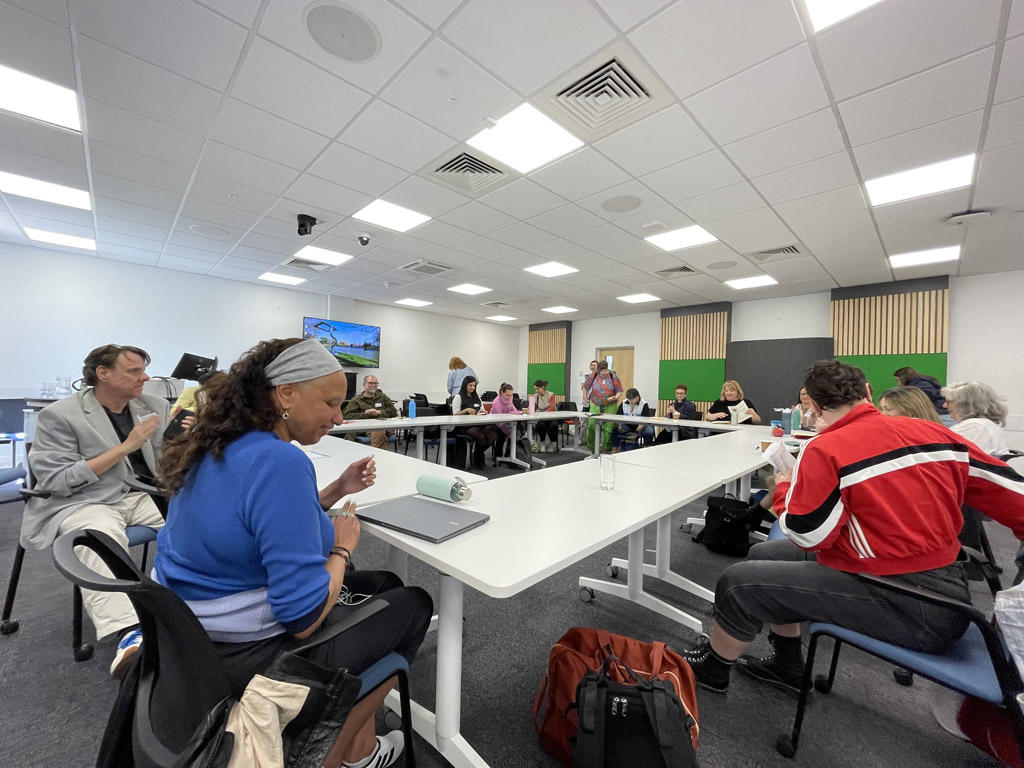
April 2026 – Philosophy, Access and the Performing Arts : Surrey University
Maria presented a paper from her Phd research entitled
‘The Invisible Absurd, PresenceIng the Invisibled’. The symposium explored Philosophies of blindness, deafness and disability and their potential to illuminate the performing arts.
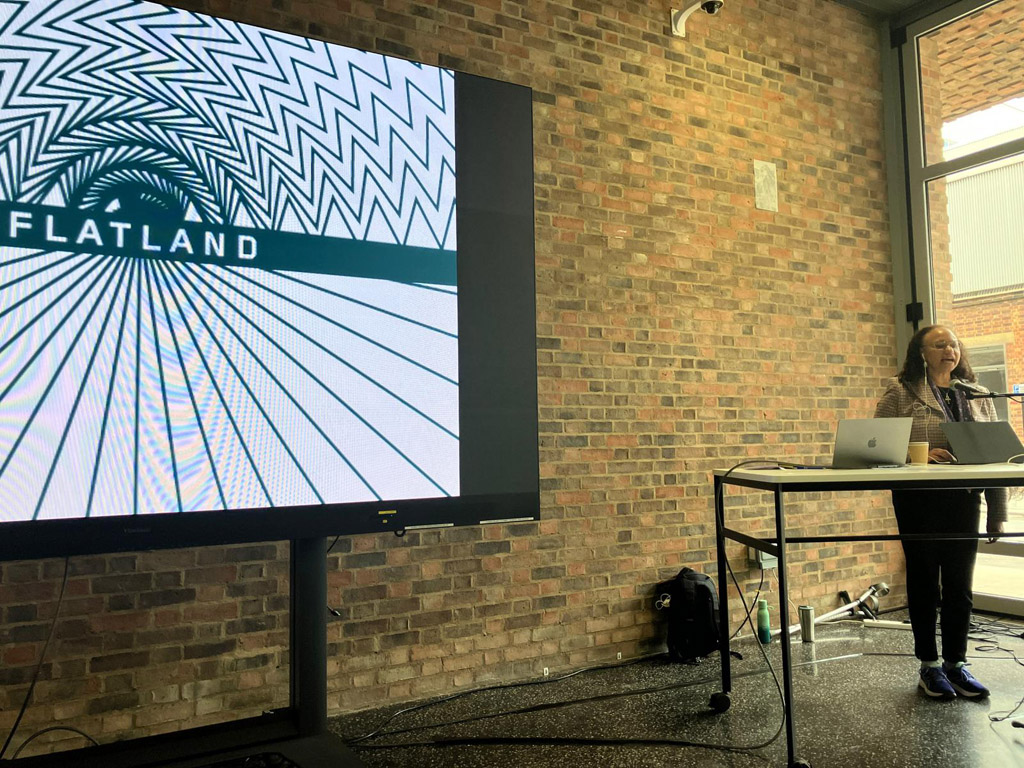
March 2026 – the Royal College of Arts Spring symposium ‘Immersive Acts: Disrupting the Frame by Otherwise Narratives
Maria presented her paper ‘Flatland: An Adventure in Invisibilism in Many Dimensions’ for Track 1: Sustainable and Justice-Led Immersive Responses to Crisis & Emergency
Led by Lena Dobrowolska
Publications:
August 2025- Beyond the Visual: Multisensory Modes of Beholding Art
Edited by Ken Wilder and Aaron McPeake
Chapter publication:
Extant: provoking, disrupting and redefining the expectation of the blind and visually impaired presence in Theatre
By Maria Oshodi
free to download as an Open Access publication by UCL Press:
https://uclpress.co.uk/book/beyond-the-visual/#
March 2025 – Platform: Journal of Theatre and Performing Arts, Vol. 17, No. 2
An article published in ‘Gatherings’
From Invisible to PresenceIng
By Maria Oshodi
https://www.platform-gatherings.com/from-invisible-to-presenceing